Introduction
The world of nutrition is filled with a variety of fruits, each offering unique benefits. Among them, Litchi (Lychee) stands out as a tropical delight that not only captivates with its sweet flavor but also provides a wide range of nutrients. In this article, we will explore litchi nutrition, its health benefits, ways to incorporate it into your diet, and potential side effects.
Table of Contents
What is Litchi?
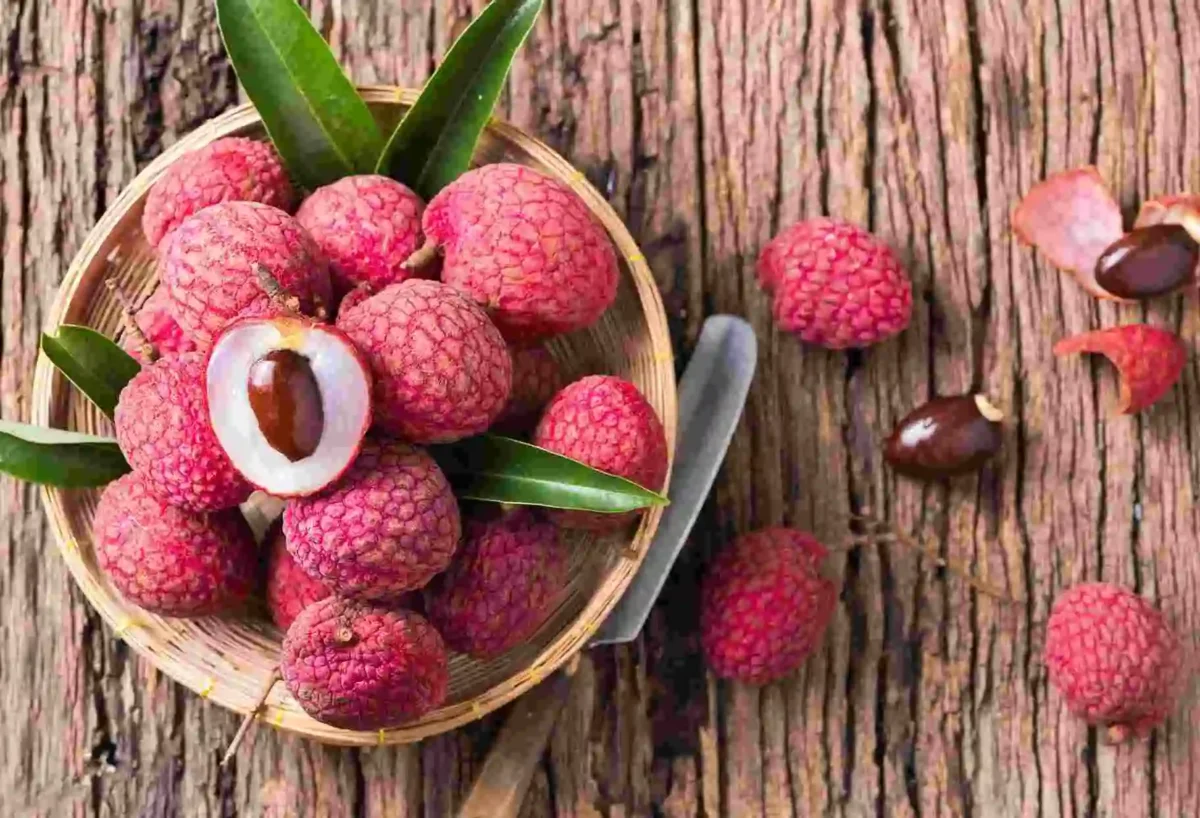
Litchi (Lychee), scientifically known as Litchi chinensis, is a fruit native to Southeast Asia. Also referred to as lychee, this small, oval-shaped fruit boasts a bright red or pink peel that houses the juicy, translucent flesh inside. Litchi is celebrated not only for its delightful taste but also for its impressive nutritional content.
Nutritional Profile
Litchi packs a nutritional punch, offering a range of vitamins, minerals, and antioxidants. A serving of litchi (100 grams) contains approximately 66 calories and provides essential nutrients such as vitamin C, vitamin B6, potassium, copper, and fiber. Its high water content contributes to hydration, making it a refreshing choice during hot summer months.
Health Benefits
Rich in Antioxidants
Litchi is a powerhouse of antioxidants, including vitamin C, flavonoids, and polyphenols. These antioxidants combat harmful free radicals, protecting the body’s cells from oxidative stress and reducing the risk of chronic diseases such as heart disease and certain cancers.
Also Read: Sugar Alternatives: A Guide to Healthy Sweeteners
Good for Digestion
With its fiber content, litchi promotes healthy digestion. Fiber aids in regulating bowel movements, preventing constipation, and maintaining a healthy gut. Including litchi in your diet can support overall digestive health.
Boosts Immunity
Thanks to its impressive vitamin C content, litchi contributes to a robust immune system. Vitamin C helps stimulate the production of white blood cells, strengthening the body’s defense against infections and diseases.
Promotes Healthy Skin
Litchi’s antioxidants, particularly vitamin C, play a vital role in maintaining healthy skin. These antioxidants combat free radicals that contribute to premature aging, wrinkles, and skin damage caused by environmental factors. Regular consumption of litchi may contribute to a radiant and youthful complexion.
Supports Heart Health
Litchi contains potassium, a mineral known for its beneficial effects on heart health. Potassium helps regulate blood pressure, reducing the risk of hypertension and cardiovascular diseases. Additionally, litchi’s fiber content may help lower cholesterol levels, promoting a healthy heart.
How to Incorporate Litchi into Your Diet
Including litchi in your diet is a delicious way to enhance your nutritional intake. You can enjoy litchi as a standalone snack as a Dried litchi, or incorporate it into various dishes with Litchi syrup. Try adding fresh litchi to fruit salads, smoothies, or yogurt for a burst of flavor and nutrition. Litchi can also be used in desserts, sauces, or marinades, offering a unique tropical twist.
Potential Side Effects
While litchi offers numerous health benefits, it is important to consume it in moderation. Litchi contains natural sugars, so excessive consumption may lead to an increase in blood sugar levels. Individuals with diabetes should monitor their intake accordingly. Some people may also experience allergic reactions to litchi. If you have a known allergy to similar fruits, it’s advisable to exercise caution or consult a healthcare professional.
Also Read: Discover the Surprising Apricot Benefits and Its Potential Side Effects
Conclusion
Litchi, with its sweet taste and impressive nutritional profile, is a fruit that deserves a place in your diet. Its rich antioxidant content, along with its contribution to digestion, immunity, skin health, and heart health, makes it a valuable addition to a well-rounded eating plan. So, why not savor the delicious flavors and embrace the benefits of litchi in your everyday life?
FAQs about Litchi Nutrition
Is litchi a good source of vitamin C?
Yes, litchi is an excellent source of vitamin C, which supports immune function and acts as a powerful antioxidant.
Can Litchi help with weight loss?
Litchi is low in calories and high in fiber, making it a nutritious choice for weight management when consumed as part of a balanced diet.
Are there any precautions for litchi consumption?
Individuals with diabetes should moderate their litchi intake due to its natural sugar content. It’s also important to be aware of any potential allergies to litchi or related fruits.
How can I select ripe litchis?
Choose litchis with vibrant red or pink skin that yields slightly to pressure when gently squeezed. Avoid those with bruises or overly brown spots.
Can litchi be frozen for later use?
Yes, litchi can be frozen for future use. Simply peel and pit the litchis, place them in an airtight container, and store in the freezer for up to three months.

Rupesh Sagvekar is the founder of Manvik Foods, India’s
trusted online store for premium dry fruits, nuts, seeds
and spices. With years of hands-on experience sourcing
quality food products across India.