Walk into any Indian kitchen and you will find one thing sitting permanently next to the stove — a small container of jeera.
Cumin seeds have been part of Indian cooking for over 5000 years. Every dal tadka, every biryani, every glass of chaas — jeera is always there. But most Indians use it purely for flavour without realising it is one of the most powerful medicinal spices on the planet.
The cumin seeds benefits go far beyond making your food taste better. These tiny earthy seeds are packed with iron, antioxidants, digestive enzymes, anti-inflammatory compounds and essential oils — making them one of the most health-promoting additions to your daily diet.
In this complete guide we will walk you through all the important cumin seeds benefits — from digestion and weight loss to diabetes management, immunity and skin health. We will also share the famous jeera water recipe and tell you exactly how to use cumin seeds daily for maximum health benefit.
Let’s dive in.
Table of Contents
What Are Cumin Seeds? (Jeera)
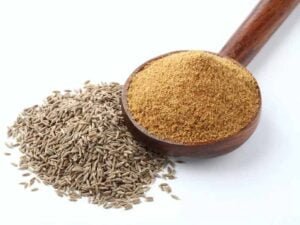
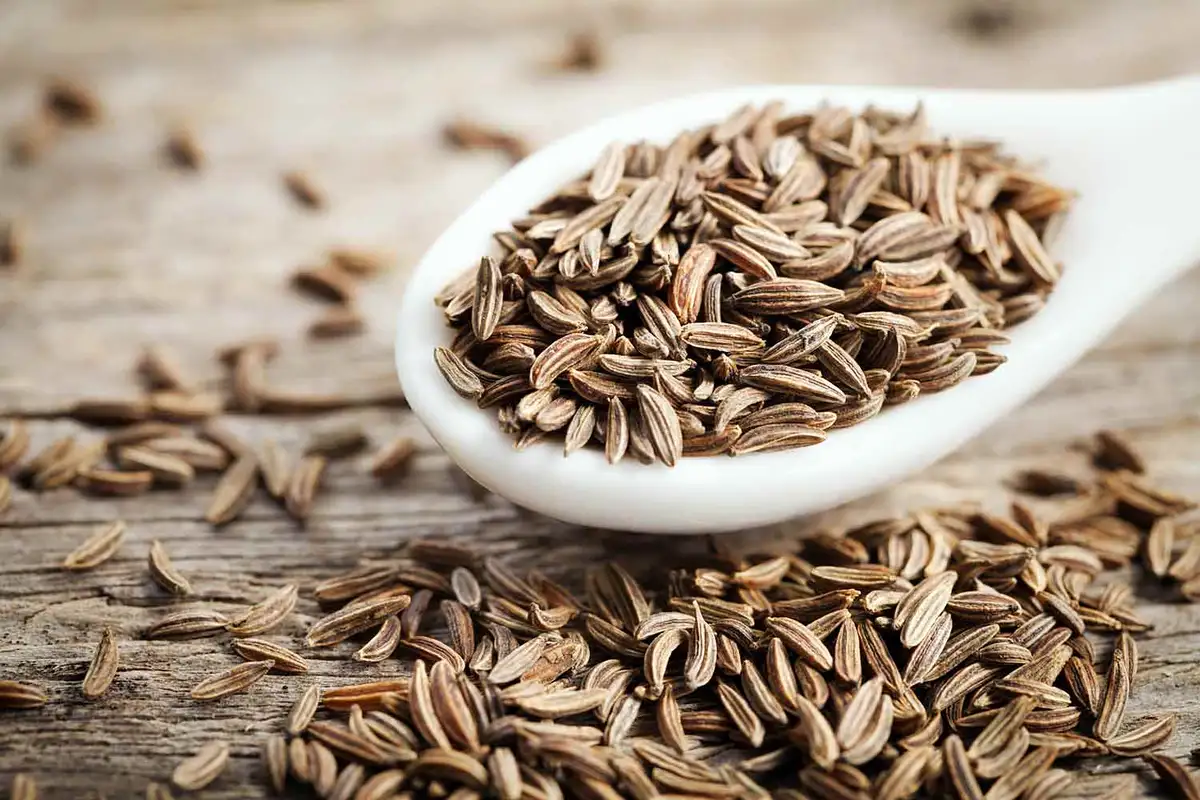
Cumin seeds are the dried seeds of the plant Cuminum cyminum — a member of the parsley family. They are small, elongated and have a distinctive warm, earthy aroma that is instantly recognisable.
Known as Jeera across India, cumin seeds are called by different names in different regions:
| Language | Name |
|---|---|
| Hindi | Jeera (जीरा) |
| Marathi | Jire |
| Tamil | Jeeragam |
| Telugu | Jeelakarra |
| Kannada | Jeerige |
| Malayalam | Jeerakam |
| Bengali | Jeere |
India is the world’s largest producer and consumer of cumin — growing primarily in Rajasthan, Gujarat and Uttar Pradesh. Indian jeera is exported to over 150 countries and is considered the finest quality cumin in the world.
Cumin Seeds Nutrition Facts
Per 1 teaspoon (2.1 grams) of cumin seeds:
| Nutrient | Amount | % Daily Value |
|---|---|---|
| Calories | 8 | — |
| Iron | 1.4mg | 17% |
| Manganese | 0.1mg | 5% |
| Calcium | 20mg | 2% |
| Magnesium | 8mg | 2% |
| Vitamin B6 | 0.02mg | 1% |
| Cuminaldehyde | High | Digestive compound |
| Thymol | High | Antimicrobial compound |
| Flavonoids | High | Antioxidant compounds |
Source: National Institutes of Health — Cumin Nutritional Data
Despite being used in tiny amounts, cumin seeds provide 17% of your daily iron in just one teaspoon — making them one of the richest plant-based iron sources available. This is why cumin seeds benefits for anaemia prevention are so significant in India.
Top 12 Cumin Seeds Benefits for Health
1. Cumin Seeds Benefits for Digestion
This is the most well-known and most proven of all cumin seeds benefits — and the reason jeera has been used as a digestive remedy in Indian homes for thousands of years.
Cumin contains a powerful compound called cuminaldehyde that directly activates salivary glands — starting the digestive process the moment you eat. It also stimulates the production of bile, digestive enzymes and pancreatic enzymes — all essential for breaking down proteins, carbohydrates and fats efficiently.
A clinical study published in the Middle East Journal of Digestive Diseases found that cumin extract significantly reduced symptoms of IBS — including abdominal pain and bloating — in patients over a four-week period.
How cumin seeds benefit digestion:
- Cuminaldehyde activates salivary glands and initiates digestion
- Stimulates production of bile for fat digestion
- Boosts pancreatic and digestive enzyme production
- Relieves bloating, gas and flatulence (carminative properties)
- Reduces acidity and heartburn naturally
- Mild laxative properties relieve constipation
Best way to use: Drink warm jeera water first thing in the morning OR add roasted jeera to every tadka, dal and sabzi.
👉 Shop premium whole cumin seeds at Manvik Foods
2. Cumin Seeds Benefits for Weight Loss
Cumin seeds benefits for weight loss are backed by strong science — making jeera one of the most effective and affordable weight management spices available.
Cumin seeds boost metabolism through their thermogenic properties — meaning they increase your body’s calorie-burning rate. They also improve insulin sensitivity, reduce blood sugar spikes and keep hunger in check by stabilising energy levels throughout the day.
Research shows that people who consumed cumin powder daily lost significantly more weight and body fat compared to those who didn’t — even when following the same diet.
How cumin seeds benefit weight loss:
- Thermogenic properties boost metabolism and calorie burning
- Improve insulin sensitivity — reduces fat storage
- Stabilise blood sugar — prevent hunger spikes and cravings
- Boost digestive efficiency — better nutrient absorption
- Reduce water retention and bloating
- Jeera water on an empty stomach jumpstarts fat metabolism
Best way to use for weight loss: Drink jeera water every morning on an empty stomach. Add roasted cumin to every meal.
3. Cumin Seeds Benefits for Iron and Anaemia
This is one of the most significant cumin seeds benefits for India — where iron deficiency anaemia affects over 50% of women and is one of the leading nutritional deficiencies nationwide.
Just one teaspoon of cumin seeds provides 17% of your daily iron requirement — making jeera one of the richest plant-based iron sources available in Indian cooking. When used daily in tadkas, rotis and dals, cumin makes a meaningful contribution to your daily iron intake.
How cumin seeds benefit blood health:
- 17% daily iron per teaspoon — excellent plant iron source
- Iron supports haemoglobin production in red blood cells
- Prevents iron deficiency anaemia naturally
- Particularly valuable for vegetarians and vegans
- Excellent supplement for women who lose iron during menstruation
- Vitamin C from other foods enhances cumin iron absorption
4. Cumin Seeds Benefits for Immunity
Cumin seeds benefits for immunity come from their extraordinary concentration of antioxidants and antimicrobial compounds.
The flavonoids in cumin — particularly luteolin and apigenin — are powerful antioxidants that neutralise free radicals, protect cells from oxidative stress and reduce inflammation. The essential oils in cumin — cuminaldehyde and thymol — have direct antimicrobial action against harmful bacteria, fungi and viruses.
How cumin seeds benefit immunity:
- Flavonoids neutralise free radicals that damage immune cells
- Cuminaldehyde and thymol directly inhibit harmful bacteria
- Anti-inflammatory properties reduce chronic immunity suppression
- Support liver health — essential for optimal immune function
- Improve gut microbiome — where 70% of immunity lives
5. Cumin Seeds Benefits for Diabetes Management
Cumin seeds benefits for blood sugar control are well documented and particularly relevant for India — which has the second highest number of diabetics in the world.
Cumin improves insulin sensitivity and reduces post-meal blood sugar spikes. Luke Coutinho (India’s renowned integrative health specialist) recommends adding roasted jeera powder to dal, salads and yogurt — specifically for managing post-meal glucose levels in diabetics.
How cumin seeds benefit diabetes:
- Improve insulin sensitivity — addresses root cause of type 2 diabetes
- Reduce post-meal blood sugar spikes significantly
- Jeera water after meals lowers blood glucose levels
- Antioxidants protect pancreatic beta cells from damage
- Reduce inflammation linked to diabetic complications
Important: If you are on diabetes medication, monitor your blood sugar levels when adding jeera water to your routine — cumin can lower blood sugar naturally.
6. Cumin Seeds Benefits for Heart Health
Cumin seeds benefits for heart health are backed by research showing their ability to improve multiple cardiovascular risk factors simultaneously.
Cumin reduces bad LDL cholesterol, lowers triglycerides and prevents cholesterol oxidation — the main process that leads to arterial damage and heart disease. Its antioxidant compounds also protect blood vessel walls from free radical damage.
How cumin seeds benefit heart health:
- Reduce bad LDL cholesterol levels
- Lower triglycerides — key heart disease risk factor
- Prevent cholesterol oxidation in arteries
- Antioxidants protect blood vessel walls
- Anti-inflammatory properties reduce arterial inflammation
- Iron improves oxygen delivery throughout the cardiovascular system
👉 Buy whole cumin seeds at Manvik Foods
7. Cumin Seeds Benefits for Skin
Cumin seeds benefits for skin make jeera a powerful natural beauty food — working from within to give you clearer, more radiant skin.
The antioxidants in cumin — luteolin, apigenin and vitamin E — fight free radicals that cause premature ageing, dark spots and dull skin. The antimicrobial properties of cumin essential oils also help control acne-causing bacteria.
How cumin seeds benefit skin:
- Antioxidants fight premature ageing and dark spots
- Antimicrobial properties reduce acne-causing bacteria
- Anti-inflammatory compounds reduce skin redness and irritation
- Detoxifying properties cleanse blood for clearer complexion
- Jeera water naturally improves skin texture with regular use
- Vitamin E moisturises skin from within
8. Cumin Seeds Benefits for Brain Health
This is one of the lesser known but fascinating cumin seeds benefits — supported by growing nutritional research.
Cumin contains riboflavin, zeaxanthin, vitamin B6 and niacin — all nutrients that promote healthy nervous system function and cognitive health. Research shows cumin may support sharper memory, better focus and reduced risk of neurodegenerative diseases.
How cumin seeds benefit brain health:
- Riboflavin supports brain cell energy production
- Zeaxanthin protects brain cells from oxidative damage
- Vitamin B6 supports production of serotonin and dopamine
- Niacin (B3) supports overall nervous system health
- Anti-inflammatory properties reduce neuroinflammation
- Iron ensures adequate oxygen supply to brain cells
9. Cumin Seeds Benefits for Liver Detox
Cumin seeds benefits for liver health are particularly celebrated in Ayurveda — and modern research is now validating this ancient wisdom.
Cumin stimulates the production of bile from the liver — which is essential not just for fat digestion but also for eliminating toxins from the body. Regular cumin consumption supports liver enzyme function and helps the liver perform its natural detoxification processes more efficiently.
How cumin seeds benefit the liver:
- Stimulates bile production for fat digestion and detox
- Supports liver enzyme function
- Anti-inflammatory properties protect liver cells
- Helps eliminate toxins through digestive system
- Traditional Ayurvedic liver tonic when combined with turmeric
- Jeera water is an effective morning detox drink
10. Cumin Seeds Benefits for Respiratory Health
Cumin seeds benefits for respiratory health are well known in traditional Indian medicine — particularly for the management of colds, coughs and asthma.
The essential oils in cumin act as natural bronchodilators — opening up the airways and reducing inflammation in the respiratory tract. Thymol and cuminaldehyde have natural expectorant properties — helping to loosen and expel mucus from the lungs.
How cumin seeds benefit respiratory health:
- Natural bronchodilator — opens airways
- Expectorant properties help clear mucus and phlegm
- Anti-inflammatory action reduces airway inflammation
- Antimicrobial properties fight respiratory infections
- Traditional remedy for cough, cold and asthma in India
11. Cumin Seeds Benefits for Bone Strength
Cumin seeds benefits for bone health come from their impressive calcium, magnesium and manganese content — essential minerals for building and maintaining strong bones.
While cumin is used in small amounts daily, its consistent inclusion in Indian cooking means it contributes meaningfully to bone health over time — particularly when used in combination with calcium-rich foods like dal and milk.
How cumin seeds benefit bones:
- Calcium contributes to bone mineralisation
- Magnesium works alongside calcium for bone density
- Manganese activates bone-building enzymes
- Anti-inflammatory properties reduce bone breakdown
- Iron supports oxygen delivery to bone tissue
12. Cumin Seeds Benefits for Women’s Health
Cumin seeds benefits for women are particularly significant — covering anaemia, hormonal balance and digestive health issues that are especially common among Indian women.
For Anaemia: The iron content of cumin seeds is exceptionally valuable for menstruating women who lose iron monthly. Regular jeera consumption helps replenish iron stores naturally.
For Hormonal Balance: Cumin contains phytoestrogens — plant compounds that support healthy oestrogen levels. This may help reduce PMS symptoms and support hormonal balance during perimenopause.
For Digestion During Pregnancy: Cumin water is traditionally recommended for pregnant women in India to relieve the nausea, acidity and constipation that are common in early pregnancy.
How to Make Jeera Water — Step by Step Recipe
Jeera water is one of the most powerful and popular cumin seeds benefits delivery methods — particularly for weight loss and digestion:
Ingredients:
- 1 teaspoon cumin seeds
- 2 cups water
- Squeeze of lemon (optional)
- Pinch of black salt (optional)
Method 1 — Soaked Jeera Water (Overnight Method):
- Soak 1 teaspoon cumin seeds in 2 cups water overnight
- In the morning strain the water
- Add lemon juice and black salt if desired
- Drink on an empty stomach before breakfast
Method 2 — Boiled Jeera Water (Quick Method):
- Bring 2 cups of water to boil
- Add 1 teaspoon cumin seeds
- Simmer for 5 minutes on low flame
- Strain and cool slightly
- Drink warm — ideally before meals
Jeera water benefits summary:
- Jumpstarts metabolism and fat burning
- Relieves bloating and gas instantly
- Improves digestion and gut health
- Natural detox for liver and kidneys
- Excellent substitute for morning tea or coffee
Roasted vs Raw Cumin Seeds — Which is Better?
| Type | Benefits | Best For |
|---|---|---|
| Raw cumin seeds | Maximum active compounds | Jeera water, tempering |
| Dry roasted cumin | Stronger flavour, better digestion | Raita, chaas, salads |
| Cumin powder (store-bought) | Convenient but less potent | Quick cooking |
| Freshly ground roasted cumin | Best of both worlds | Maximum flavour + benefits |
Verdict: Lightly dry-roasted cumin gives the best balance of flavour and digestive benefits. Grind fresh at home for maximum potency.
How to Use Cumin Seeds in Indian Cooking
Dal Tadka — The classic. Heat ghee, add jeera and let it splutter — this releases the active compounds into the fat making them more bioavailable.
Jeera Rice — Add cumin seeds to hot ghee, let them crackle, then add soaked rice and water. Simple, fragrant and nutritious.
Raita — Sprinkle roasted jeera powder on curd raita — adds flavour and powerful digestive benefit.
Chaas (Buttermilk) — Add roasted jeera powder to chaas for a traditional Indian digestive drink.
Roti Dough — Add ½ teaspoon of jeera to your atta dough. Adds flavour and digestive properties to every roti.
Salads — Sprinkle roasted jeera on salads and fruit bowls for a warm, earthy flavour boost.
How Much Cumin to Use Daily?
| Goal | Daily Amount | Best Form |
|---|---|---|
| General health | 1 teaspoon | In cooking (tadka) |
| Weight loss | 1 tsp jeera water | Morning empty stomach |
| Digestion | 1 tsp in food + water | With every meal |
| Diabetes | 1 tsp after meals | Jeera water or roasted |
| Immunity | 1-2 tsp | Cooking + kadha |
| Anaemia | 1-2 tsp | Daily cooking |
Safe daily limit: 1-2 teaspoons (2-4 grams) of cumin seeds daily. Do not exceed 3 teaspoons — high amounts can cause digestive issues.
Cumin Seeds Side Effects — What to Know
While cumin seeds benefits are extraordinary — be aware of these precautions:
1. May lower blood sugar too much If you are on diabetes medication, monitor your blood sugar when consuming large amounts of cumin as it can lower glucose naturally.
2. May cause heartburn in excess Paradoxically, too much cumin can cause acidity in some people. Stick to 1-2 teaspoons daily.
3. Not recommended in large amounts during pregnancy Culinary amounts are completely safe. However large medicinal doses may stimulate uterine contractions. Always consult your doctor.
4. May interact with blood thinners Cumin has mild blood-thinning properties. People on anticoagulant medications should consult their doctor.
5. Allergies are rare but possible Cumin allergy exists — usually in people with allergies to other spices in the same family. Stop using if you experience skin rash or itching.
Frequently Asked Questions
What are the benefits of eating jeera daily?
Eating 1-2 teaspoons of cumin seeds daily improves digestion, reduces bloating, boosts metabolism for weight loss, provides 17% of daily iron, improves immunity and helps regulate blood sugar. Daily use through cooking tadkas and jeera water is safe and highly beneficial for most people.
How to use cumin seeds for weight loss?
The most effective method is jeera water — soak 1 teaspoon in 2 cups of water overnight, strain and drink on an empty stomach every morning. Also add roasted jeera to all your meals. This combination boosts metabolism, reduces bloating and stabilises blood sugar to reduce cravings.
What is cumin called in Hindi?
Cumin is called Jeera (जीरा) in Hindi. In Tamil it is called Jeeragam, in Telugu Jeelakarra and in Kannada Jeerige. India is the world’s largest producer of cumin — with Rajasthan and Gujarat being the major growing states.
Is jeera water good for health?
Yes — jeera water is extremely beneficial. It improves digestion, reduces bloating, boosts fat metabolism, detoxifies the liver and provides iron. Drink 1-2 glasses daily — preferably on an empty stomach in the morning — for best results.
How many cumin seeds per day?
1-2 teaspoons (2-4 grams) of cumin seeds daily is ideal for most adults. This provides significant health benefits through iron, antioxidants and digestive compounds without any side effects. Use in daily cooking or as jeera water.
Is cumin good for diabetes?
Yes — cumin improves insulin sensitivity and reduces post-meal blood sugar spikes. Adding roasted jeera to meals and drinking jeera water after eating can help manage blood glucose naturally. However, if you are on diabetes medication, monitor your levels carefully as cumin may lower blood sugar further.
What are the side effects of too much cumin?
Excessive cumin consumption (more than 3 teaspoons daily) can cause acidity, heartburn and digestive discomfort. It may also lower blood pressure and blood sugar too much in people on relevant medications. Always stick to the recommended 1-2 teaspoon daily amount.
Final Thoughts
The cumin seeds benefits we have covered today reveal why this humble spice has earned its permanent place in every Indian kitchen — and why Ayurveda has recommended it for thousands of years.
Digestion. Weight loss. Iron. Immunity. Blood sugar. Heart health. Skin. Brain. Liver.
All from one humble teaspoon of jeera — the spice that has been sitting right next to your stove this whole time.
Start with jeera water tomorrow morning. Soak one teaspoon of cumin seeds in two cups of water tonight. Drink it on an empty stomach. Then make sure every tadka you cook starts with jeera in ghee.
These two simple habits — done daily and consistently — can make a real, lasting difference to your health.
At Manvik Foods we stock premium quality whole cumin seeds — freshly sourced from Rajasthan and Gujarat, hygienically packed and delivered across India.
👉 Shop fresh premium cumin seeds at Manvik Foods
Written by the Manvik Foods Team — your trusted source for premium quality dry fruits, nuts, seeds and spices since 2017.

Rupesh Sagvekar is the founder of Manvik Foods, India’s
trusted online store for premium dry fruits, nuts, seeds
and spices. With years of hands-on experience sourcing
quality food products across India.