Zinc Rich Foods for Vegetarians: Your Complete Guide to Getting Enough Zinc Every Day
Are you a vegetarian wondering if you’re getting enough zinc from your diet?
Whether you are looking for vegetarian zinc sources in India, dealing with zinc deficiency symptoms, or simply want to eat a more balanced zinc-rich diet — this guide has everything you need.
You’re not alone. Millions of vegetarians in India ask this exact question — and for good reason. Zinc is one of the most important minerals your body needs every single day. Yet it is also one of the most commonly missed nutrients in vegetarian diets.
The good news? You don’t need meat to meet your daily zinc needs. There are plenty of delicious, affordable and easily available zinc rich foods for vegetarians right here in India.
In this complete guide we will walk you through everything you need to know — what zinc does for your body, how much you need daily, the best vegetarian food sources, and simple tips to absorb more zinc from your meals.
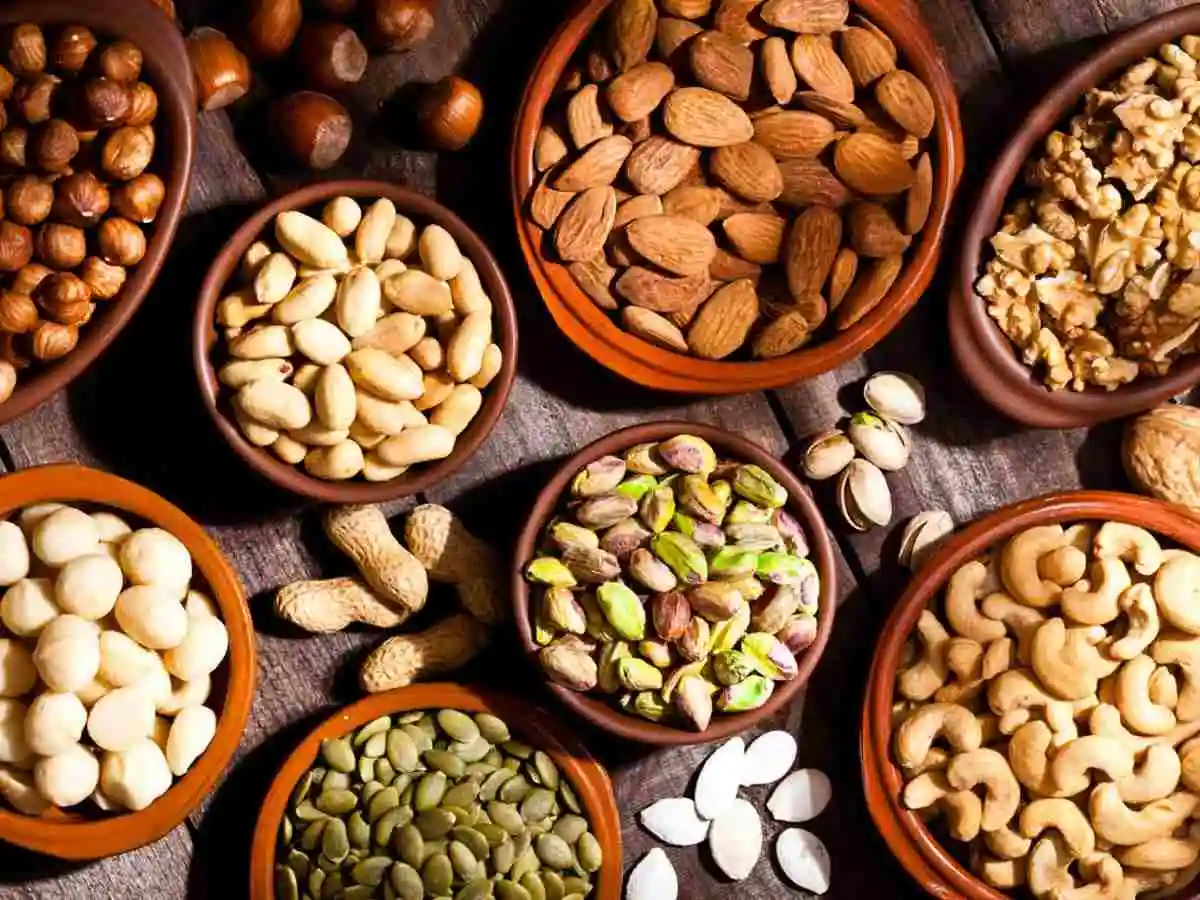
This guide covers all the best zinc rich foods for vegetarians available in India — from everyday dal and seeds to nuts and grains you probably already have at home.
Let’s dive in.
Table of Contents
What is Zinc and Why Does Your Body Need It?
Before we list the top zinc rich foods for vegetarians, let us first understand why zinc is so important for your body. Zinc is an essential mineral. Your body cannot produce it on its own — which means you must get it from food every single day.
Think of zinc as a behind-the-scenes hero in your body. It is involved in more than 300 different enzyme functions. From healing a wound to fighting off a cold — zinc is working quietly to keep you healthy.
Here is what zinc does for you:
- Boosts your immune system — Zinc helps your body fight bacteria and viruses. When zinc levels are low, your immune system becomes weak and you fall sick more often.
- Speeds up wound healing — Zinc plays a key role in skin repair and cell growth. This is why zinc creams are commonly used for cuts and burns.
- Supports growth and development — Zinc is critical for children, teenagers and pregnant women. It supports healthy growth at every stage of life.
- Improves digestion — Zinc helps produce digestive enzymes that break down your food properly.
- Sharpens your senses — Zinc maintains your sense of taste and smell. Ever notice food tasting bland when you have a cold? Low zinc could be the reason.
- Balances hormones — Zinc plays an important role in producing testosterone and regulating thyroid hormones.
- Keeps skin healthy — Zinc fights acne, reduces inflammation and supports collagen production for clear glowing skin.
How Much Zinc Do You Need Daily?
Knowing your daily zinc requirement helps you plan your meals better. Here is how much zinc you need — and why zinc rich foods for vegetarians need to work harder due to phytates. Before we look at food sources, let’s understand your daily zinc requirement:
| Age Group | Daily Zinc Requirement |
|---|---|
| Children (4-8 years) | 5 mg |
| Children (9-13 years) | 8 mg |
| Teenage boys (14-18) | 11 mg |
| Teenage girls (14-18) | 9 mg |
| Adult men | 11 mg |
| Adult women | 8 mg |
| Pregnant women | 11 mg |
| Breastfeeding women | 12 mg |
Source: National Institutes of Health (NIH)
One important thing to know for vegetarians — plant-based foods contain phytates (a natural compound in grains and legumes) that can reduce zinc absorption. So as a vegetarian, you may need to eat 50% more zinc from food compared to non-vegetarians to meet your actual body requirements.
This makes choosing the right zinc-rich foods even more important.
Common Zinc Deficiency Symptoms to Watch Out For
How do you know if your body is low on zinc? Watch out for these signs:
- You fall sick frequently — colds, infections, flu
- Wounds take longer to heal than usual
- Your hair is falling more than normal
- You have persistent skin problems like acne or eczema
- Food doesn’t taste as good as it used to
- You feel tired and low on energy even after a full night’s sleep
- Your nails have white spots or are brittle
- You have poor appetite
If you recognise two or more of these signs, increasing your zinc intake through food is a great first step. Always consult a doctor before taking supplements.
Top 15 Zinc Rich Foods for Vegetarians in India
Here are the top 15 zinc rich foods for vegetarians in India — ranked by zinc content per 100 grams.
1. Pumpkin Seeds — The Zinc Superstar
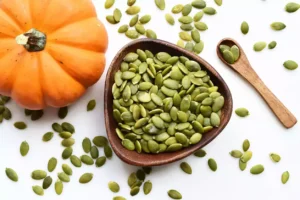
Zinc content: 7.8 mg per 100g (71% of daily value)
If there is one zinc rich food for vegetarians you must eat every single day — it is pumpkin seeds. When it comes to pumpkin seeds zinc content — no other commonly available Indian snack comes close.
Just a small handful of pumpkin seeds gives you a powerful dose of zinc along with magnesium, protein and healthy fats. They are crunchy, delicious and incredibly easy to add to your daily diet.
How to eat: Sprinkle on salads, mix into yogurt, add to trail mix or simply snack on them roasted. You can also blend them into smoothies for a nutritional boost.
👉 Shop fresh pumpkin seeds online at Manvik Foods
2. Hemp Seeds
Zinc content: 9.9 mg per 100g (90% of daily value)
Hemp seeds are one of the highest plant-based sources of zinc available. They also contain all nine essential amino acids making them a complete protein — rare in the plant world.
How to eat: Add to smoothies, sprinkle over oatmeal or mix into curd. They have a mild nutty flavour that goes with almost anything.
3. Sesame Seeds
Zinc content: 7.8 mg per 100g
Sesame seeds — or til as we call them in India — are a zinc powerhouse that most Indians already have in their kitchen. From til laddoo to tahini — sesame seeds are incredibly versatile.
How to eat: Add to rotis, sprinkle on rice dishes, make chutney or use as a garnish on salads and soups.
👉 Shop sesame seeds and more at Manvik Foods
4. Cashew Nuts

Zinc content: 5.6 mg per 100g
Cashews are one of the most popular nuts in India — and they are a good vegetarian source of zinc. They are also rich in magnesium, copper and healthy monounsaturated fats.
How to eat: Eat as a snack, add to curries and rice dishes, blend into cashew milk or use in desserts.
👉 Buy fresh cashew nuts online at Manvik Foods
5. Almonds
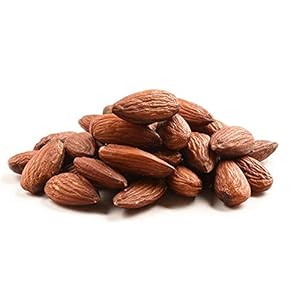
Zinc content: 3.1 mg per 100g
Almonds need no introduction in Indian households. While they are more famous for their vitamin E content, almonds also contribute a good amount of zinc to your daily diet.
How to eat: Soak 8-10 almonds overnight and eat them first thing in the morning. Or snack on them roasted, add to kheer or blend into almond milk.
👉 Shop premium almonds at Manvik Foods
6. Chickpeas (Chana)
Zinc content: 2.5 mg per 100g (cooked)
Chickpeas are a staple of Indian cooking and one of the best plant-based zinc sources for vegetarians. Whether it is chana masala, hummus or chaat — chickpeas are always a great choice.
How to eat: Make chana masala, add to salads, blend into hummus or use in chaats and biryanis.
7. Lentils (Dal)
Zinc content: 2.5 mg per 100g (cooked)
Dal is the backbone of Indian vegetarian cooking — and thankfully it is a solid zinc source too. Masoor dal, toor dal, moong dal — all varieties contribute to your daily zinc intake.
How to eat: Cook as everyday dal, add to soups, make dal tadka or mix into khichdi.
8. Walnuts

Zinc content: 3.1 mg per 100g
Walnuts are primarily known for their brain-boosting omega-3 fats — but they are also a good zinc source. A daily small handful of walnuts contributes meaningfully to your zinc intake.
How to eat: Eat raw as a snack, add to oatmeal, mix into salads or use in baked goods.
👉 Buy fresh walnuts at Manvik Foods
9. Flax Seeds (Alsi)
Zinc content: 4.3 mg per 100g
Flax seeds are a nutritional treasure — rich in omega-3 fatty acids, fibre and zinc. They are inexpensive and easily available across India.
How to eat: Grind and add to rotis, mix into smoothies, sprinkle on dal or stir into yogurt. Always consume flax seeds ground — your body cannot absorb nutrients from whole seeds.
👉 Shop flax seeds online at Manvik Foods
10. Sunflower Seeds

Zinc content: 5.3 mg per 100g
Sunflower seeds are a tasty and affordable zinc-rich snack. They are also packed with vitamin E, selenium and healthy fats.
How to eat: Roast lightly and snack on them, add to salads, blend into seed butter or mix into granola.
👉 Buy sunflower seeds at Manvik Foods
11. Kidney Beans (Rajma)
Zinc content: 2.8 mg per 100g (cooked)
Rajma is a beloved dish in North Indian homes — and it is one of the better zinc sources among legumes. Paired with rice, rajma chawal is not just comfort food — it is nutritious too.
How to eat: Classic rajma masala, rajma rice, rajma wraps or add to salads.
12. Oats
Zinc content: 4.0 mg per 100g
Oats are a fantastic breakfast option that also contributes a good amount of zinc. They are filling, versatile and easy to prepare.
How to eat: Make oatmeal porridge, overnight oats, oat smoothies or add oats to homemade energy bars.
13. Quinoa
Zinc content: 3.1 mg per 100g (cooked)
Quinoa is a complete protein grain with all nine essential amino acids — and a good zinc source. It is gaining popularity in Indian cities as a healthy rice alternative.
How to eat: Use as a rice substitute, make quinoa khichdi, add to salads or cook as upma.
14. Tofu
Zinc content: 2.0 mg per 100g
Tofu is made from soy — one of the best plant-based protein sources. It also provides a meaningful amount of zinc, especially for vegans who may not eat dairy.
How to eat: Stir fry, add to curries, marinate and grill or crumble into bhurji.
15. Dark Chocolate
Zinc content: 3.3 mg per 100g
Yes — dark chocolate is on the list! Good quality dark chocolate (70% cocoa or more) contains a surprising amount of zinc along with iron and magnesium. A small piece daily is not just a treat — it is good for you too.
How to eat: Eat a small square (25-30g) as a treat, add to smoothies or use in healthy baking recipes.
Quick Reference — Zinc Rich Foods Chart
| Food | Zinc per 100g | Best Way to Eat |
|---|---|---|
| Hemp Seeds | 9.9 mg | Smoothies, oatmeal |
| Pumpkin Seeds | 7.8 mg | Snack, salads, trail mix |
| Sesame Seeds | 7.8 mg | Chutney, rotis, garnish |
| Sunflower Seeds | 5.3 mg | Snack, granola, salads |
| Cashew Nuts | 5.6 mg | Snack, curries, desserts |
| Flax Seeds | 4.3 mg | Rotis, smoothies, dal |
| Oats | 4.0 mg | Porridge, overnight oats |
| Walnuts | 3.1 mg | Snack, oatmeal, salads |
| Almonds | 3.1 mg | Soaked, snack, milk |
| Quinoa | 3.1 mg | Rice substitute, salads |
| Kidney Beans | 2.8 mg | Rajma masala, wraps |
| Chickpeas | 2.5 mg | Chana masala, hummus |
| Lentils | 2.5 mg | Dal, khichdi, soups |
| Tofu | 2.0 mg | Curries, stir fry |
5 Smart Tips to Improve Zinc Absorption on a Vegetarian Diet
Simply eating zinc rich foods for vegetarians is not enough. How you prepare them matters just as much for absorption. These tips apply to all plant based zinc foods — not just the ones listed above.
Tip 1 — Soak your legumes and grains overnight Soaking reduces phytic acid — the compound that blocks zinc absorption. Always soak chickpeas, rajma, lentils and grains before cooking.
Tip 2 — Eat vitamin C rich foods with zinc-rich meals Vitamin C boosts zinc absorption significantly. Add lemon juice to dal, eat an orange with your nuts or squeeze lime on your salads.
Tip 3 — Ferment when possible Fermented foods like idli, dosa, dhokla and curd have reduced phytic acid. This means more zinc gets absorbed from fermented preparations.
Tip 4 — Sprout your seeds and legumes Sprouting chickpeas, moong or seeds increases their nutrient bioavailability including zinc. It also makes them easier to digest.
Tip 5 — Roast your seeds lightly Lightly roasting pumpkin seeds, sunflower seeds and sesame seeds improves their flavour and makes nutrients more accessible.
Simple Daily Routine to Meet Your Zinc Needs
Here is a simple daily meal plan that easily covers your zinc requirements as a vegetarian:
Morning:
- 8 soaked almonds + a small handful of pumpkin seeds
- Oatmeal with flax seeds and a sprinkle of sesame seeds
Lunch:
- Dal (masoor or toor) + rice or roti + squeeze of lemon
- Side salad with chickpeas
Evening Snack:
- Roasted sunflower seeds or cashews
- A square of dark chocolate
Dinner:
- Rajma or chana masala with roti
- Tofu stir fry or quinoa salad
Following this simple routine easily gives you 11-13 mg of zinc daily — meeting your recommended intake entirely from food.
Frequently Asked Questions (FAQ)
Can vegetarians get enough zinc without supplements?
Yes absolutely. With the right combination of nuts, seeds, legumes and grains — vegetarians can easily meet their daily zinc requirements through food alone. Focus on pumpkin seeds, sesame seeds, chickpeas and lentils daily.
Which is the highest zinc food for vegetarians?
Hemp seeds top the list with 9.9 mg of zinc per 100g, followed closely by pumpkin seeds and sesame seeds. All three are excellent daily options for vegetarians.
Does cooking destroy zinc?
Zinc is a mineral and is generally heat-stable. Cooking does not destroy zinc. However, boiling vegetables and discarding the water can cause some zinc loss. Prefer steaming or cooking with minimal water.
Should I take a zinc supplement if I am vegetarian?
Most vegetarians can meet their zinc needs through a varied diet. Supplements are only needed if you have a confirmed deficiency diagnosed by a doctor. Food is always the best and most natural source.
How do I know if I have zinc deficiency?
Common signs include frequent illness, slow wound healing, hair loss, loss of taste or smell, fatigue and skin problems. Get a blood test done to confirm zinc levels. Normal serum zinc range is 70-120 mcg/dL.
Are pumpkin seeds the best zinc source for vegetarians?
Yes — pumpkin seeds are one of the best and most practical zinc sources for vegetarians. They are affordable, easily available across India and can be eaten in many ways daily.
Can children get enough zinc from a vegetarian diet?
Yes. Including dal, legumes, nuts and seeds regularly in a child’s diet helps meet their zinc requirements. For picky eaters, adding ground pumpkin seeds or flax seeds to rotis or smoothies works very well.
Final Thoughts
Getting enough zinc on a vegetarian diet is absolutely possible — you just need to know the right foods and how to eat them smartly. We hope this complete list of zinc rich foods for vegetarians helps you build a healthier, more balanced daily diet.
If you have been experiencing zinc deficiency symptoms like fatigue, hair loss or frequent illness — start by adding these high zinc foods to your daily Indian diet. Small daily changes bring big long-term results.
Start with the basics. Add a small handful of pumpkin seeds or sunflower seeds to your daily routine. Eat dal at least once a day. Soak your chickpeas before cooking. Squeeze lemon on your meals.
These small, simple changes can make a big difference to your zinc levels — and your overall health.
At Manvik Foods we stock a wide range of premium quality nuts, seeds and dry fruits that are perfect for boosting your daily zinc intake. All our products are freshly sourced, hygienically packed and delivered across India.
👉 Shop our complete range of nuts and seeds online at Manvik Foods
Written by the Manvik Foods Team — your trusted source for premium quality dry fruits, nuts, seeds and spices since 2017.

Rupesh Sagvekar is the founder of Manvik Foods,
Mumbai’s trusted online store for premium dry fruits,
nuts, seeds and spices. With years of hands-on
experience sourcing and selling quality food products
across India, Rupesh started Manvik Foods with one
goal — to make fresh, high quality dry fruits and
spices accessible to every Indian household. His
deep knowledge of food quality, sourcing and
nutrition drives everything Manvik Foods stands for.