Parsley is one of the most underrated herbs in your kitchen. While most people use parsley simply as a garnish, this powerful herb is packed with nutrients, has remarkable health benefits and has been used in traditional medicine for centuries. At Manvik Foods we believe every herb in your kitchen deserves to be understood fully — and parsley is no exception.
In this complete guide we cover everything about parsley — its health benefits, culinary uses, different types, parsley water benefits, how to grow it at home and delicious recipes to try today.
Table of Contents
What is Parsley?
Parsley (Petroselinum crispum) is a flowering herb native to the Mediterranean region. It belongs to the Apiaceae family and is one of the most widely
used herbs in cooking worldwide. Parsley has been cultivated for over 2000 years and was considered sacred in ancient Greek and Roman cultures.
Today parsley is used fresh, dried and as an extract in cooking, medicine and natural beauty treatments across the world.
Parsley Nutrition Facts
Key nutrients in parsley
Parsley is surprisingly nutrient-dense for such a small herb. Just 30 grams of fresh parsley provides:
- Vitamin K — 574% of daily recommended intake
- Vitamin C — 53% of daily recommended intake
- Vitamin A — 108% of daily recommended intake
- Folate — 11% of daily recommended intake
- Iron — 10% of daily recommended intake
- Potassium, calcium and magnesium
- Powerful antioxidants including flavonoids, carotenoids and volatile oils
These nutrients make parsley one of the most nutritionally powerful herbs you can add to your daily diet.
Top 10 Health Benefits of Parsley
1. Extremely Rich in Antioxidants
Parsley contains flavonoids including myricetin, apigenin and luteolin — powerful antioxidants that protect cells from oxidative damage. These compounds have been linked to reduced risk of chronic diseases including heart disease, diabetes and certain cancers. Adding fresh parsley to your meals daily is one of the easiest ways to boost your antioxidant intake.
2. Supports Bone Health
Parsley is one of the richest plant sources of Vitamin K — a nutrient essential for bone health. Vitamin K activates proteins that help bind calcium
to bones making them stronger and denser. Regular consumption of parsley may reduce risk of osteoporosis and bone fractures.
3. Powerful Anti-inflammatory Properties
Parsley contains apigenin — a flavonoid with strong anti-inflammatory properties. Chronic inflammation is linked to almost every major disease including arthritis, heart disease and cancer. Adding parsley regularly to your diet helps naturally reduce inflammation throughout the body.
4. Supports Kidney Health
Parsley has been used as a natural diuretic for centuries — helping the kidneys flush out excess water and toxins. Studies suggest parsley may help prevent kidney stones by reducing calcium deposits in the urinary tract. Parsley water, in particular, is traditionally used for kidney cleansing.
5. Supports Heart Health
Parsley is rich in folate — a B vitamin that helps reduce levels of homocysteine in the blood. High homocysteine levels are a major risk factor for
heart disease. The Vitamin K in parsley also prevents calcium from building up in arteries keeping them flexible and healthy.
6. Supports Eye Health
Parsley contains high levels of beta-carotene and lutein, carotenoids that are essential for eye health. These compounds protect the retina from oxidative damage and may reduce risk of age-related macular degeneration and cataracts.
7. Natural Breath Freshener
Parsley contains chlorophyll — a natural compound that neutralises bad breath odours. This is why parsley has been used as a natural breath freshener for centuries. Chewing a few fresh parsley leaves after meals is one of the oldest and most effective natural remedies for bad breath.
8. Supports Immune System
The combination of Vitamin C, Vitamin A and antioxidants in parsley makes it a powerful immune booster. Vitamin C stimulates production of white blood cells that fight infections while Vitamin A maintains the integrity of skin and mucous membranes — the body’s first line of defence.
9. May Help Regulate Blood Sugar
Some studies suggest that myricetin — a flavonoid found in parsley — may help regulate blood sugar levels by improving insulin sensitivity. Animal studies have shown parsley extract reduced blood sugar levels significantly. While human trials are ongoing the results are very promising for people managing diabetes.
10. Supports Digestive Health
Parsley stimulates digestive enzymes and bile production which improves digestion and reduces bloating. The fibre content in parsley also supports healthy gut bacteria. Traditional medicine has used parsley for centuries to treat digestive complaints including indigestion, bloating and stomach cramps.
Types of Parsley
1. Curly Leaf Parsley
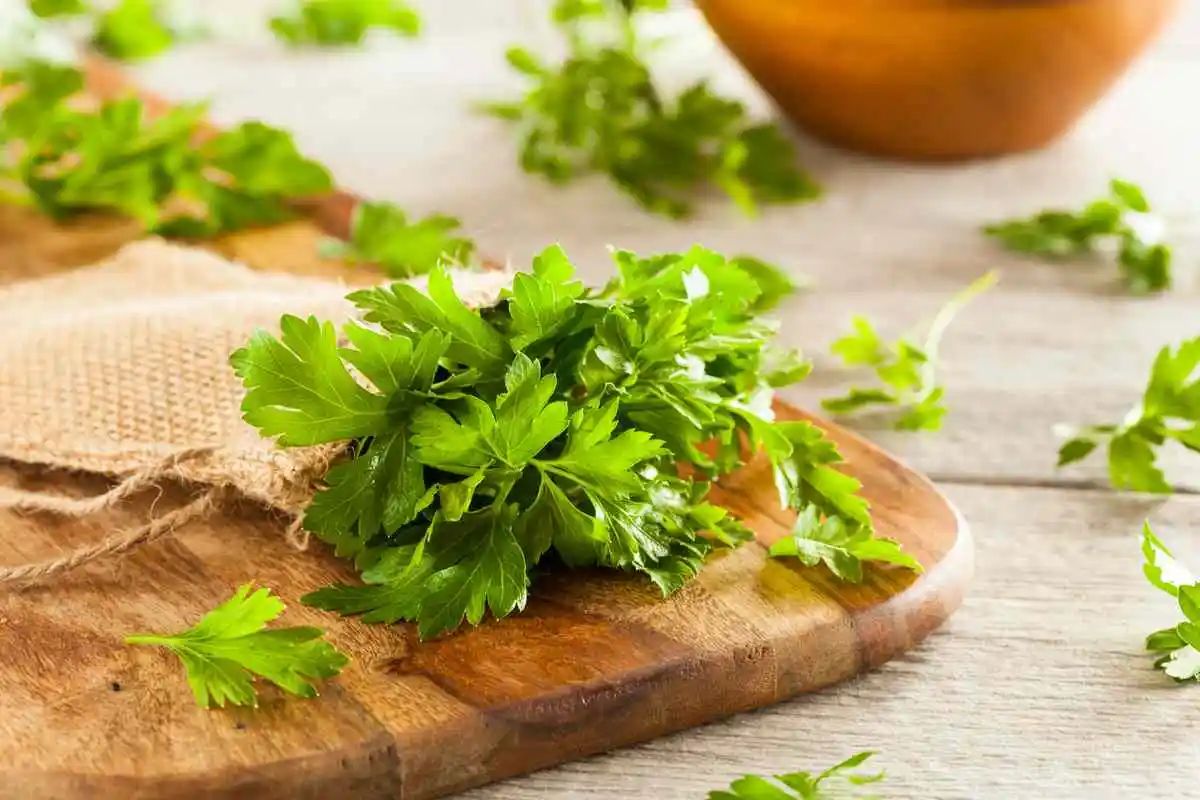
The most commonly seen variety — recognisable by its tightly ruffled bright green leaves. Curly parsley has a milder flavour than flat leaf and is most often used as a garnish. It holds its shape well on plates making it ideal for decorating dishes.
Best uses: Garnish, salads, soups, sauces
2. Flat Leaf Parsley (Italian Parsley)
Flat leaf parsley has broader smoother leaves and a much stronger more complex flavour than curly parsley. It is the preferred variety for cooking because its flavour holds up better under heat. Most professional chefs use flat leaf parsley in their cooking.
Best uses: Cooking, sauces, marinades,
tabbouleh, chimichurri
3. Hamburg Parsley (Root Parsley)
This variety is grown primarily for its thick edible root which looks similar to a parsnip. The root has a flavour combining parsley and celery and is popular in Central and Eastern European cooking. The leaves are also edible though less flavourful than other varieties.
Best uses: Soups, stews, roasted vegetables
4. Japanese Parsley (Mitsuba)
A variety native to Japan with a distinctive flavour combining parsley, celery and angelica. Mitsuba is used extensively in Japanese cooking especially in soups, salads and as a garnish for traditional dishes.
Best uses: Japanese cuisine, soups, garnish
Culinary Uses of Parsley
How to use parsley in everyday cooking
Parsley is one of the most versatile herbs in the kitchen. Here are the best ways to use it:
- Fresh garnish — sprinkle chopped fresh parsley over any dish just before serving
- Sauces — blend into chimichurri, salsa verde or green goddess dressing
- Soups and stews — add at the end of cooking for fresh flavour
- Marinades — combine with garlic, olive oil and lemon for a classic marinade
- Tabbouleh — the base ingredient of this classic Middle Eastern salad
- Herb butter — mix with softened butter and spread on bread or steaks
- Smoothies — blend a handful into green smoothies for a nutrient boost
Classic parsley recipes to try
Simple Chimichurri Sauce
Ingredients:
- 1 cup fresh flat leaf parsley
- 4 garlic cloves
- 2 tablespoons red wine vinegar
- ½ cup olive oil
- Salt and chilli flakes to taste
Method: Blend all ingredients together. Serve with grilled meats or vegetables.
Classic Tabbouleh
Ingredients:
- 2 cups fresh flat leaf parsley finely chopped
- ½ cup bulgur wheat (soaked)
- 2 tomatoes diced
- 1 cucumber diced
- Juice of 2 lemons
- 3 tablespoons olive oil
- Salt to taste
Method: Mix all ingredients together. Refrigerate 30 minutes before serving.
Parsley and Garlic Herb Butter
Ingredients:
- 100g softened butter
- ½ cup fresh parsley finely chopped
- 3 garlic cloves minced
- Salt and black pepper
Method: Mix all ingredients. Roll in cling film and refrigerate. Slice and serve on grilled fish, chicken or warm bread.
Parsley Water — Benefits and How to Make It
What is parsley water?
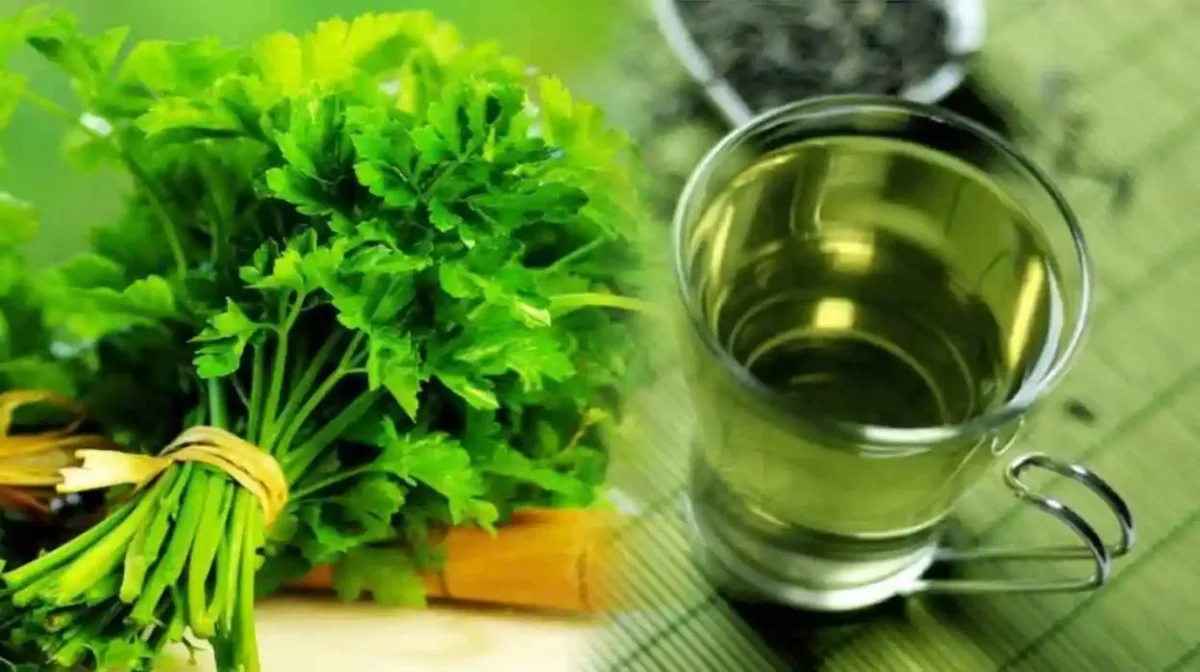
Parsley water is a traditional herbal remedy made by steeping fresh or dried parsley in water. It has been used for centuries in traditional medicine across Mediterranean, Middle Eastern and South Asian cultures for its cleansing and healing properties.
Benefits of parsley water
- Natural diuretic — helps flush excess water and toxins from the body
- Kidney support — may help prevent kidney stones
- Reduces bloating — relieves water retention
- Freshens breath — chlorophyll neutralises odours
- Rich in vitamins — delivers Vitamin C and K directly
- Anti-inflammatory — reduces chronic inflammation
- Supports weight management — reduces water weight
How to make parsley water
Ingredients:
- 1 bunch fresh parsley (about 30-40 sprigs)
- 1 litre water
- Juice of 1 lemon (optional)
- Honey to taste (optional)
Method:
- Wash parsley thoroughly under cold water
- Roughly chop the parsley including stems
- Bring water to a boil in a saucepan
- Add chopped parsley to boiling water
- Reduce heat and simmer for 5-10 minutes
- Remove from heat and cool for 15 minutes
- Strain out parsley using a fine mesh strainer
- Add lemon juice and honey if desired
- Drink warm or refrigerate and drink cold
Best time to drink: First thing in the morning on an empty stomach for best results. Limit to 1-2 cups per day.
Parsley water side effects
- Avoid during pregnancy — parsley in large amounts may stimulate uterine contractions
- Kidney disease — consult doctor before using as a diuretic if you have kidney disease
- Blood thinners — high Vitamin K may interact with warfarin — consult your doctor
- Limit to 1-2 cups per day — excessive amounts may cause anaemia with long term use
How to Grow Parsley at Home
Growing conditions for parsley
- Sunlight: Partial to full sun — 4-6 hours daily
- Soil: Rich well-draining soil with good moisture
- Watering: Keep soil consistently moist — parsley does not like to dry out completely
- Temperature: Grows well in Indian conditions — prefers slightly cooler weather
- Container: Grows excellently in pots — ideal for Mumbai balconies
Growing parsley from seeds

- Soak seeds in warm water for 24 hours before planting — speeds up germination
- Fill pot with rich potting mix
- Sow seeds 1cm deep and 10cm apart
- Water gently and keep consistently moist
- Germination takes 2-4 weeks — be patient
- Thin seedlings to 20cm apart once established
- Harvest outer leaves first — always leave inner leaves to keep plant growing
Growing parsley from cuttings
- Take a 10cm cutting just below a leaf node
- Place in a glass of water on a sunny windowsill
- Change water every 2 days
- Roots appear in 1-2 weeks
- Transfer to pot once roots are 2-3cm long
Harvesting tip
Always harvest parsley from the outside of the plant working inwards. Never remove more than one third at a time. Regular harvesting actually encourages the plant to produce more leaves.
Parsley Side Effects and Precautions
Who should be careful with parsley
- Pregnancy — avoid large medicinal amounts as parsley may stimulate uterine contractions
- Kidney disease — consult doctor before using parsley as a therapeutic diuretic
- Blood thinners — high Vitamin K content may interfere with warfarin and similar medications
- Allergies — some people are allergic to parsley especially those allergic to carrots or celery
- Anaemia risk — excessive long term consumption of parsley extract may contribute to anaemia
Safe daily amounts
- Fresh parsley in cooking — completely safe in any culinary amount
- Parsley tea or water — maximum 1-2 cups per day
- Parsley supplements or extract — always consult your doctor first
Where to Buy Fresh Parsley in India
Fresh parsley is available at Nature’s Basket, Godrej Nature’s Basket and select supermarkets in Mumbai. For dried parsley and premium herb and spice products shop online at Manvik Foods — fresh quality, honest prices and fast delivery across India.
Browse our complete collection of whole spices and herbs at Manvik Foods.
Frequently Asked Questions About Parsley
Is parsley safe to eat every day?
Yes — culinary amounts of fresh parsley are completely safe to eat every day. It is one of the most nutritious herbs you can add to your daily diet. However avoid consuming very large medicinal amounts daily especially during pregnancy.
What is the difference between flat and curly parsley?
Flat leaf parsley has a stronger more complex flavour and is preferred for cooking. Curly parsley has a milder flavour and is most often used as a garnish. For recipes always use flat leaf parsley for best results.
Can parsley help with weight loss?
Parsley is very low in calories but rich in nutrients making it an excellent addition to a weight loss diet. Parsley water in particular acts as a natural diuretic reducing water retention and bloating. However it is not a direct fat burner — it works best as part of a balanced healthy diet.
Does parsley water really work for kidneys?
Parsley has been shown in studies to have natural diuretic properties that help the kidneys flush out excess fluid and some toxins. Some research also suggests it may help prevent kidney stones. However parsley water is a traditional remedy — always consult your doctor if you have kidney disease before using it therapeutically.
How long does fresh parsley last?
Fresh parsley lasts 1-2 weeks in the refrigerator if stored properly. Wrap in a damp paper towel and place in a sealed bag or store stems in a glass of water covered with a plastic bag. Dried parsley lasts up to 1 year in an airtight container away from heat and light.
Can I freeze fresh parsley?
Yes — parsley freezes very well. Wash and dry thoroughly, chop finely and freeze in ice cube trays with a little water or olive oil. Once frozen transfer to a freezer bag. Frozen parsley cubes can be added directly to soups, sauces and stews without thawing.
Where can I buy parsley in Mumbai?
Fresh parsley is available at Nature’s Basket and select supermarkets in Mumbai. For dried parsley and herb products shop online at Manvik Foods with fast delivery across India.

Rupesh Sagvekar is the founder of Manvik Foods, India’s
trusted online store for premium dry fruits, nuts, seeds
and spices. With years of hands-on experience sourcing
quality food products across India.